The Lessons of Glenn Valley and Meriweather Farms…
On June 12, the most significant ICE workplace raid, to date, occurred at Glenn Valley Foods, a meatpacking facility in Omaha, Nebraska. On Tuesday morning, federal immigration agents apprehended 76 employees as part of an operation under a federal search warrant investigating the large-scale employment of individuals without legal work authorization.
“U.S. Immigration and Customs Enforcement, and federal law enforcement partners, executed a federal search warrant at Glenn Valley Foods, today, based on an ongoing criminal investigation into the large-scale employment of aliens without authorization to work in the United States,” an ICE spokesperson told an ABC News affiliate.
More than half of all meatpacking workers in the U.S. are immigrants, according to the Center for Economic and Policy Research, a think tank. (USA Today)
By the next day, about a dozen of those detained had been deported or relocated, while at least 63 remained in detention at the Lincoln Detention Center. No criminal charges had been filed against the detainees as of Friday evening
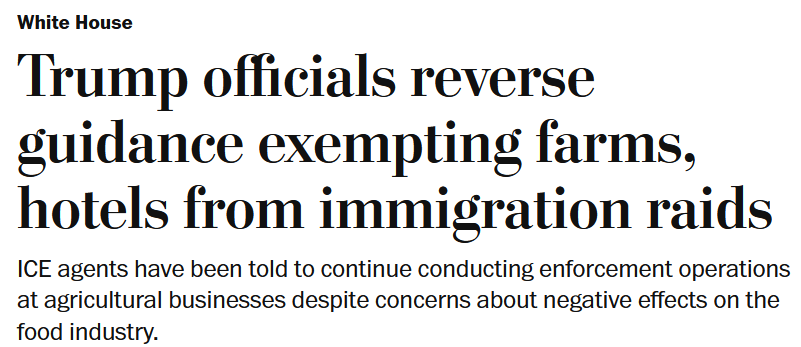
There was an immediate uproar about this raid in the National Press, resulting in President Trump placing a temporary hold on raids on farms and hotels.
But there was another side to this story.
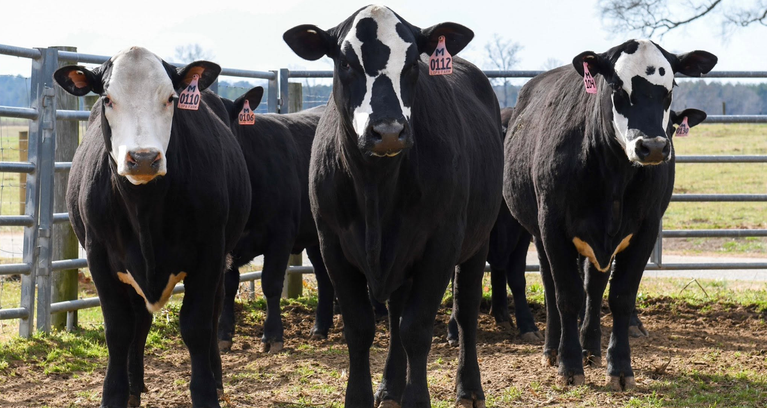
Soon after the Glenn Farms raid, a spokeswoman for Meriwether Farms, appeared on Steve Bannon’s War Room and described how this new deportation hold unfairly advantaged lawbreaking employers – especially big agribusiness – at the expense of small companies like Meriwether who had been following the law for years. Meriwether Farms is a cattle operation in Wyoming – similar to some in Saluda – and does not hire non-citizens.
Meriwether Farms maintains a strict US citizenship requirement for all hires, provides healthcare to full-time staff, and operates as a small, locally focused business in Wyoming. Their hiring practices reflect their broader business values of American sourcing, local production, and a commitment to supporting their employees.
two very interesting things happened next…
By June 14, only two days after the raid, the lobby of Glenn Valley Farms was full of American citizens filling out applications for jobs.
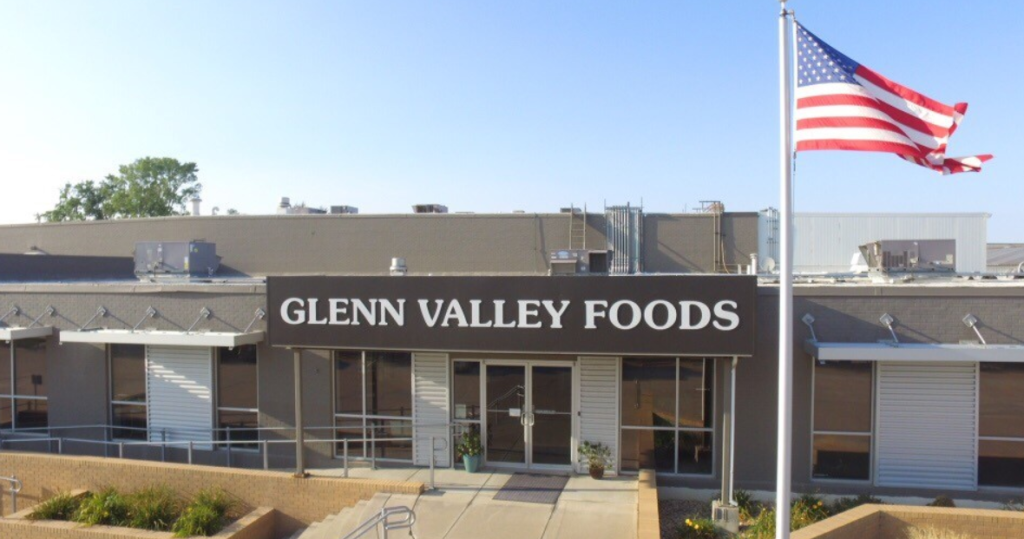
It is true that there has been a significant slowdown in production at Glenn Valley. and it will certainly take a while to train new hires. But this action has shown that the claim that “we need illegals because Americans will not do those jobs” is not true.
The next thing that happened was this:
This series of events should be of interest to Saluda County, as agriculture and meat-processing businesses are linchpins of our culture and our economy.