Many Christians stay out of politics because they are tired of what politics has become.
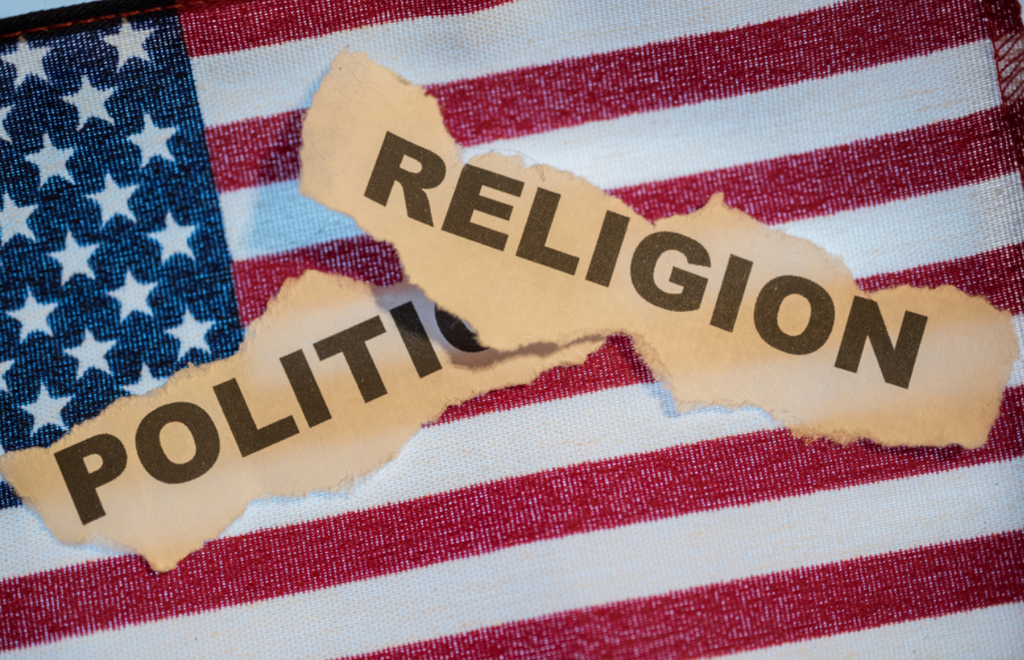
Politics Is a Tool
Politics is not our religion. No political party can save a soul, and no election can replace the work of faith, family, church, charity, or personal responsibility.
But politics is just still a tool.
It shapes the laws under which we live. It affects whether parents have a voice in their children’s education, whether religious liberty is protected, whether public safety is taken seriously, whether elections are trustworthy, and whether families and local communities have room to flourish.
A tool can be used selfishly or responsibly. It can be used to gain power, divide people, and reward the well-connected. Or it can be used to protect liberty, uphold justice, strengthen families, defend the vulnerable, and preserve the right to live according to conscience.
The tool is not sacred. But the purpose can be.
The Cost of Withdrawal
If Christians withdraw from politics, politics does not go away.
Laws are still passed. Children are still taught. Communities are still governed. Elections are still decided. The culture is still shaped.
The question is simply who will be present when those decisions are made.
Christians should not enter public life to become bitter partisans. We should enter it as citizens and servants. We should bring moral seriousness to places where it is often missing: truth where there is deception, humility where there is arrogance, courage where there is fear, and mercy where there is cruelty.
Jesus called His followers “the salt of the earth” and “the light of the world.” Salt preserves, and light reveals. Neither is useful if it remains hidden or sealed away.
Some Sad Staistics
Our attention to the need to get more Christians involved in politics came from our Newberry County and active Republican friend, Chad Connelly. He founded an organization called Faith Wins and works diligently across the country to encourage pastors, churches, and people of faith to understand their rights, register to vote, and participate responsibly in civic life.
Faith Wins estimates that around 40 million Christians may not be registered to vote and that between 40 million and 50 million believers who attend church on a typical Sunday do not vote in major national elections. The exact national number is difficult to verify because voter-registration records do not generally identify a voter’s faith or church attendance. But the concern is real: too many people of faith remain disconnected from the civic process.
What Faithful Citizenship Looks Like
Faithful citizenship does not require everyone to run for office or become a political activist.
It means voting, not only in every general election, but also in every primary. And not just in presidential years, either.
It means spending time learning about local candidates, paying attention to school-board or county-council meetings, encouraging a person of character to run for office, helping a neighbor find accurate voting information, or volunteering to work at the polls.
It also means holding our own side accountable. Christians should never excuse dishonesty, cruelty, corruption, or injustice because it advances a political cause we support.
A free people must be willing to govern themselves. Our constitutional protections for religious exercise, speech, assembly, and petition exist so citizens can participate in public life responsibly.
So, yes, politics is definitely Dirty…
That is exactly why it needs people who refuse to become dirty in order to take part. The Republican Party strongly supports the Christian foundations on which this country was built. That is why we so desperately need good, conservative Christians to help us restore our moral compass.
Our Constitution was made only for a moral and religious People. It is wholly inadequate to the government of any other.”
John Adams
—
letter to the Officers of the First Brigade of the Third Division of the Militia of Massachusetts, October 11, 1798
Christians are needed—not to worship power or win at any cost, but to bring truth, courage, compassion, and a faith-based moral foundation to the work of the Republican Party.