Republicans Finally Have Something to Cheer About on Elections!
For years, Republican voters have been told “just trust the process” while watching election rules get looser, deadlines get stretched, and ballots arrive days after Election Day. Now, at long last, Congress is moving on a serious elections reform package, and Republicans have every reason to be encouraged.
The new Make Elections Great Again Act, rolled out by House Republicans, goes straight at the concerns grassroots conservatives have been voicing since 2020: voter ID, proof of citizenship, clean voter rolls, tighter rules on mail‑in ballots, and a hard stop on endless ballot counting. It would require photo ID to vote, force states to verify citizenship when people register, mandate auditable paper ballots, and end practices like universal mail‑in voting and large‑scale ballot harvesting in federal elections.
In plain English, this bill says: if you’re voting in a federal election, you should be who you say you are, you should be eligible to vote, and your ballot should be handled under clear, uniform rules. That’s common sense to most Republicans—and to a lot of independents too.
Just as important, Congress is finally admitting what voters already know: election integrity is not a “fringe” issue, it’s foundational. By putting a serious reform bill on the table, Republicans are forcing Washington to debate transparency, security, and accountability instead of pretending everything is fine.
The fight is just beginning, and the bill will almost certainly be attacked, watered down, or distorted in the media. But the fact that a comprehensive reform package is moving at all is a major shift. For Republican voters who’ve been demanding tighter rules and stronger safeguards, this is the moment they’ve been waiting for—and a real reason to be hopeful that future elections will be fairer, clearer, and more secure.
What does the Bill actually do?
Core voter ID and citizenship rules:
- Requires government-issued photo ID to vote in federal elections, with specific standards for what counts as acceptable identification.
- Requires states to verify that a person is a U.S. citizen when they register to vote, using documentary proof of citizenship (such as birth certificate or passport) and checks tied to things like DMV data.
- Tightens federal rules on maintaining voter rolls, pushing states to routinely remove ineligible voters under clearer federal standards.
Mail-in ballots and deadlines
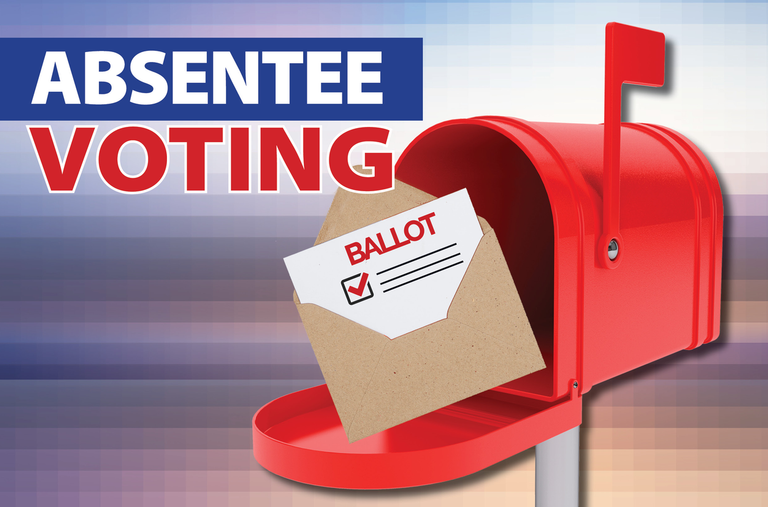
- Bans “universal” vote‑by‑mail for federal elections, meaning states could no longer automatically mail ballots to every voter.
- Requires that mail ballots in federal races be received by the close of polls on Election Day, ending post‑Election Day acceptance even if the ballot was mailed on time.
- Bans or sharply restricts large‑scale ballot harvesting by third parties, limiting who is allowed to collect and return someone else’s ballot.
Limits on voting methods
- Bans ranked‑choice voting for federal offices, so states could not use RCV to elect members of Congress or senators, or to allocate presidential electors.
- Bans universal vote‑by‑mail in federal contests even in states that currently rely on it, like Oregon, Utah, and others.
Federal enforcement and lawsuits
- Gives the U.S. attorney general authority to enforce the new requirements against states and local election officials.
- Creates a private right of action, allowing individual citizens to file civil lawsuits if they believe election officials are not following the law.
- Ties compliance to federal election funding, so states that don’t follow the rules risk losing federal money for election administration.
Administration and paperwork:
- Requires paper, auditable ballots for federal elections to create a verifiable paper trail.
- Directs the Election Assistance Commission to write detailed regulations and standardized forms, including for mail voting and motor‑voter registration, under the new citizenship‑verification and ID rules.
In layman’s terms, MEGA sets one national baseline for federal elections: show photo ID, prove citizenship up front, no automatic mail ballots to everyone, no ranked‑choice voting, and strict deadlines and rules that states and local officials can be sued for if they don’t follow.