South Carolina currently has what is called an open primary system, which allows Democrats, Republicans, and independents to vote in either party’s primary. Voters are, however, limited to voting in only one party primary per election cycle.
So, for instance, you could vote in the Republican Primary next June and then in the Democratic Primary in 2028. If you vote in a Republican Primary that ends up in a run-off, you can only vote in the Republican run-off though. You cannot vote in that primary and then switch to vote for a run-off in the Democratic Primary that same year.
In short, Democrats, Republicans, and independents can vote in any primary they wish, provided they stick with the same party per election cycle.
How it Works
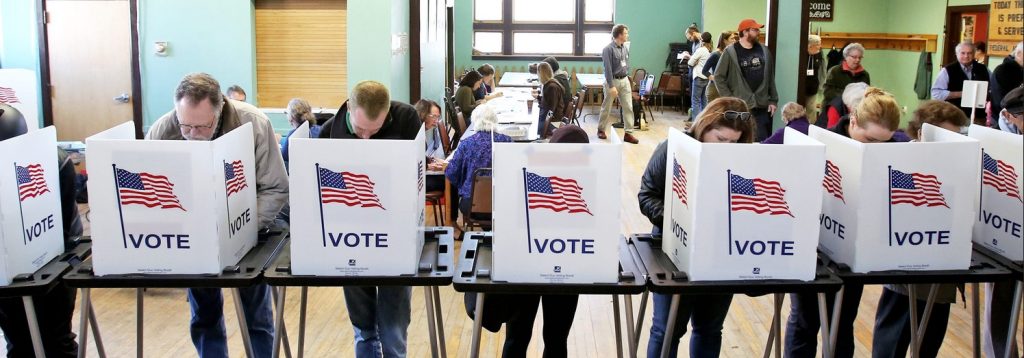
No party registration: South Carolina does not record voters by party affiliation. All registered voters can choose which party’s primary to vote in each election year.
Crossover voting: Because of this open system, Democrats may legally vote in a Republican primary to influence the outcome—a practice commonly called “crossover voting” or “party raiding”.
A voter can only vote in one party’s primary (for example, voting in the Democratic primary disqualifies you from voting later in the Republican one during the same cycle).
Current Debate
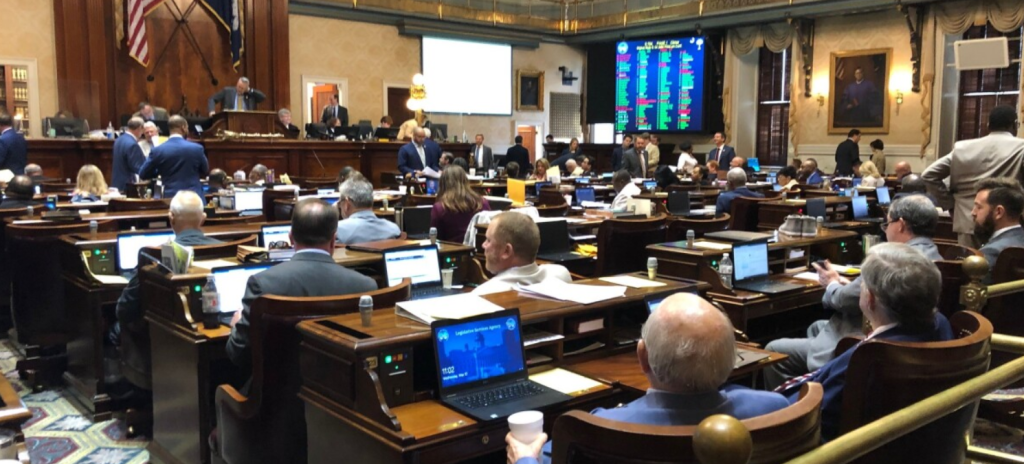
Many South Carolina Republicans argue that Democratic crossover voting skews GOP primary results, especially in competitive races for state legislature or governor, such as next year’s races for Governor and Attorney General.
FITSNews recently reported several Democratic activists publicly encouraging Democrats to vote in Republican special primaries in October 2025 to influence candidate outcomes:
Democrats are openly plotting to influence South Carolina Republican partisan primary elections through crossover voting.
Never keen on subtlety, Upstate Democrat Taylor Culliver – who ran unsuccessfully for the S.C. Senate last fall – encouraged members of his party to cast their votes in this week’s special elections for multiple seats in the S.C. General Assembly. Culliver correctly predicted turnout in the election would be low, meaning a determined band of Democrats could have an outsized impact on the results of the race.
The purpose of crossover voting by Democrats, in most cases, is to block the most conservative Republicans in favor of more moderate ones whom they see as more likely to support Democratic initiatives.
In response, multiple legislative proposals—House Bill 4520 and Senate Bill 113—have been introduced to close South Carolina’s primaries, requiring voters to register by party and vote only in that party’s primaries. These proposals remain pending and have not yet been enacted into law as of late 2025.
Legislative History
The South Carolina Republican Party has voted several times (2015, 2023, 2024) to support closed primaries—most recently with very strong backing by Republican voters in 2024—but the law has not been changed. The failure to pass a bill for closed primaries has been due, mainly, to opposition by Democrats, Republican Leadership in the General Assembly, and Governor Henry McMaster.
Legislative bills to change the open primary law remain under debate as of October 2025.
The Saluda County Republican Party will be closely following this issue in the coming months. The two bills under consideration are SC S.113, and SC H.4520.