In 2018, Saluda voters approved what we all call “The Penny Tax.” According to SC Law, it is officially known as “The Capital Project Sales Tax,” and it is set to expire next year.
Another Penny tax will likely appear on Saluda Ballots in November 2026. Please Note: If approved, this will not result in a tax increase for Saluda Taxpayers. Taxes will stay the same – the new Penny Tax will simply begin as the old Penny Tax expires.
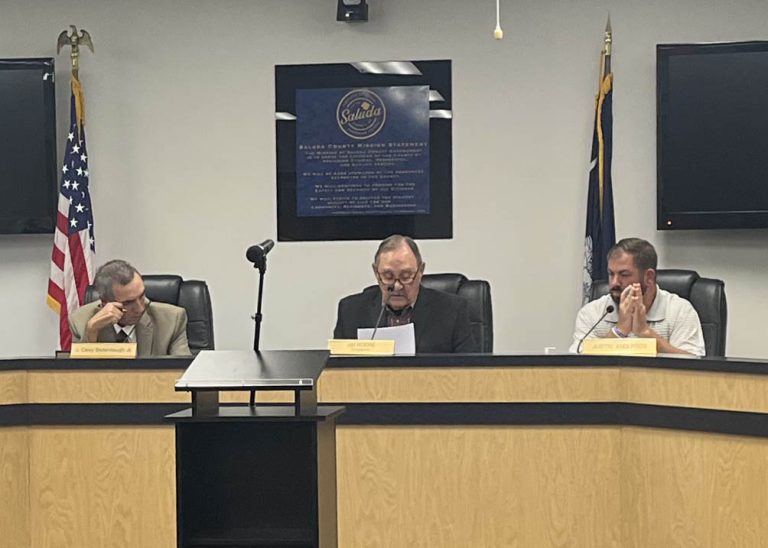
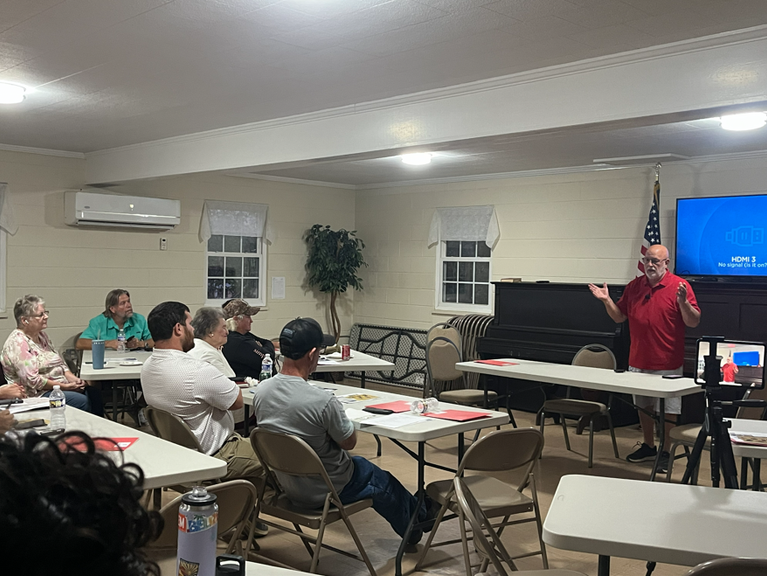
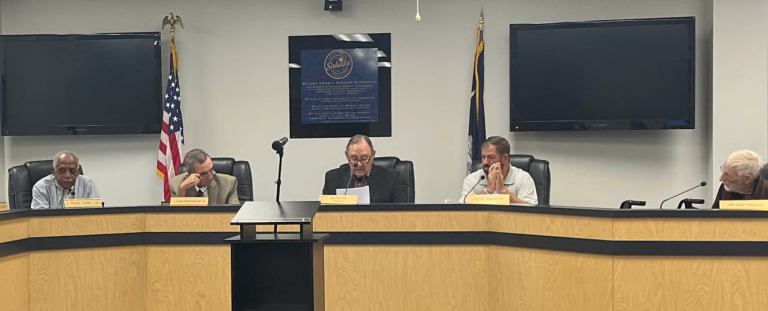
As part of our commitment to voter education, the Saluda County Republican Party will be covering the entire Penny Tax process on its road to the ballot and, if passed, throughout its implementation. Our Second Vice-Chair for Voter Education, Jay Dunbar (Pleasant Grove Precinct) will lead our efforts to keep Saluda County informed, including pictures and reports documenting the progress on each Penny Tax Project on the list.
Additionally, we will take a look back at our last Penny Tax Projects and give updates on those. Stay tuned to this website for that information.
Exactly What is the “The Penny Tax?”
Its official name is “The Capital Project Sales Tax in South Carolina is a local 1% “penny” sales and use tax that counties can adopt – with voter approval – to pay for big, long‑term projects like roads, public buildings, and water/sewer upgrades. This tax is allowed under SC Home Rule Statutes which specifically outline the specific requirements involved before Saluda can implement this tax.
How Does it Work?
The Capital Gains Tax is an extra 1% added to the state sales tax on most taxable purchases made in a county that adopts it. Many counties call it the “Penny Tax” because it is a one‑cent tax on each taxable dollar spent.
The money can only be used for specific capital projects, such as new public facilities, recreation facilities, and major infrastructure improvements listed in state law.
These are the steps:
- A county first appoints a Capital Projects Sales Tax Commission to review project ideas and recommend a project list and ballot question.
- County Council then votes to put that one‑cent tax and the specific project list on the general election ballot for voters to decide.
- Voters approve or reject the entire list at once; they cannot pick and choose individual projects on the ballot.
Time limits and sunsets
If approved, the tax is temporary: it can only run for a set period (up to about 7–8 years) or until a set dollar amount is collected, as specified in the referendum. When that period ends, the tax automatically expires (“sunsets”) unless voters approve a new or continued Capital Project Sales Tax in a later election.
This is what is happening here in Saluda County this year. A new Penny Tax will be replacing the old one. The tax rate will not increase!
How the money is Captured and used
The South Carolina Department of Revenue collects the tax at the point of sale and sends the proceeds back to the county on a regular schedule.
By law, funds can only be spent on the projects listed in the voter‑approved referendum (for example, named road projects, specific public buildings, water/sewer lines, or parks).
Counties often use this revenue to reduce pressure on property taxes by funding major construction and infrastructure through the sales tax instead of higher property tax bills.
Why it matters to you
If you live, shop, or own a business in a county with a Capital Project Sales Tax, you pay the extra penny on most taxable purchases there. In return, you get long‑term public improvements—like better roads, upgraded emergency services buildings, or expanded recreation facilities—without all of the cost falling on property owners alone.
What’s Next?
County Council will appoint a committee representing the county and it’s municipalities. We will be following each step of this process. If you haven’t already, sign up for our email list to receive all the Penny Tax updates.