…back to merit, excellence (and sanity!)
Southern colleges, particularly public ones, are experiencing a stronger surge in applicants compared to Northern colleges, driven by cost, accessibility, and cultural appeal. The 2024–2025 cycle saw a 10% application increase for public colleges (many Southern) versus 3% for private ones (many Northern). Northern schools remain competitive, but their growth is slower, and some are seeing application declines. For a definitive comparison, check specific schools’ admissions data on their websites or the Common App’s 2025 reports.
Economic Factors
Southern public universities offer lower tuition, especially for in-state students, and many provide generous merit scholarships, attracting cost-conscious families. For example, the University of Alabama has been noted for luring out-of-state students with financial incentives.
Job Prospects
Growing tech and corporate hubs in cities like Austin, Nashville, and Atlanta enhance the appeal of Southern schools, offering robust post-graduation opportunities.
Atmosphere and Culture
Southern colleges are drawing students with strong athletic programs, vibrant school spirit, and milder climates. The “rah-rah” campus vibe, highlighted by events like ESPN’s Game Day, contrasts with perceptions of more politically charged Northern campuses.
Ease of Application
The expansion of the Common Application to include more public universities (307 as of 2024) has made it easier for students to apply to Southern schools with minimal additional effort. Economic Factors: Southern public universities offer lower tuition, especially for in-state students, and many provide generous merit scholarships, attracting cost-conscious families. For example, the University of Alabama has been noted for luring out-of-state students with financial incentives.
Regional Trends
Northern students are increasingly applying to Southern schools, driven by lower tuition costs (e.g., public in-state tuition averages $11,610 vs. $43,350 for private nonprofit), warmer weather, strong job prospects in booming Southern economies (e.g., Austin, Atlanta), and vibrant campus cultures (e.g., football traditions). Conversely, some Southern students are applying to Northern schools for reasons like merit scholarships or specific social factors, but this flow is less significant.
Southern Public Universities
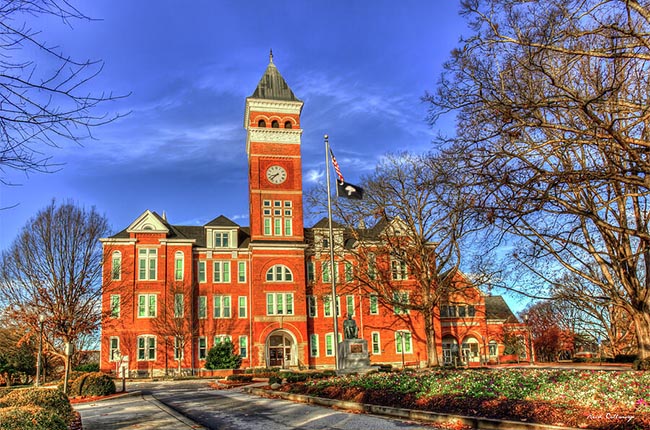
Schools such as the University of South Carolina (60% admit rate), Clemson (38%), University of Alabama (76%), University of Tennessee (46%), and University of Mississippi (98%) have experienced spikes in applications, particularly from out-of-state students, including those from Northern states like New York and New Jersey. For example, Clemson saw 19% of its 2023 enrollment from New York and New Jersey, a shift from earlier years when most out-of-state students came from nearby Southern states.
Northern Colleges
Ivy League schools like Brown, Dartmouth, Columbia, and Yale saw slight declines in application numbers, with acceptance rates increasing marginally (e.g., Brown at 5.7%, Columbia at 4.3%). This is partly attributed to reinstating standardized test requirements, which may deter some applicants. Meanwhile, highly selective Northern public universities like UCLA and UC Berkeley continue to see low acceptance rates due to high application volumes, but their growth is less pronounced compared to Southern publics (4% vs. 10% for public colleges overall). So, kids are starting to notice the southern conservative way of common sense and lower tuition is better. and getting a job faster.
So what?
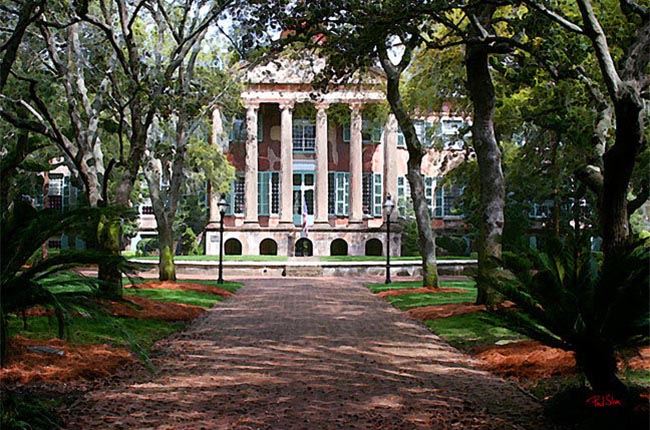
Just a couple of years ago, north and south would not have mattered so much. For instance our major South Carolina Universities – USC, Clemson, and College of Charleston – had very agressive DEI policies in place for hiring, student admission, and student affairs. This was futher perpetuated by those same DEI policies being emphasized in the education departments of each school.
So what good does it do us to get more and better students down south, if they are indoctrinated by Woke faculties and student policies?
The good news is:
Public colleges and universities across the South are quickly phasing out most “woke” and DEI-related policies due to a wave of new laws, executive orders, and changes to accreditation. Leading the way are six states in particular—Florida, Texas, Georgia, North Carolina, South Carolina, and Tennessee have launched a new accrediting body (Commission for Public Higher Education) explicitly to counter existing accreditors that require conformity to DEI standards.
The direction is clear: Southern education leaders and lawmakers are prioritizing academic metrics and merit-based criteria over identity-based or DEI-driven standards. These changes are reshaping campus environments, hiring practices, admissions, and student life as of mid-2025
God Bless South Carolina!