On Tuesday, Saluda County voters will decide whether to approve a second Capital Project Sales Tax (CPST), better known as the Penny Tax. The one passed in 2018 was the county’s first try at this kind of program, and it taught us real lessons. If you compare that first one to the 2026 CPST that is on he ballot today, we think you will understand that lessons have been learned and a much better process and plan is the result.
What the First Penny Tax Delivered
The 2018 Penny Tax was not perfect, but it got a lot done:
- Library: Land and a building were bought. Grant money to complete it has also been secured, and work should begin soon.
- Animal Shelter: Finished under budget. Saluda paid one-third of the cost of a permanent shelter in Edgefield. Then CPST funds were used to build a holding shelter behind the Voter Registration building. A deputy, Lee Corder, is assigned to care for the dogs. After a period of time that gives owners a chance to claim their animals, Saluda transports the dogs to Edgefield, which is a no-kill shelter.
- Downtown Ridge Spring Beautification: Finished at the full estimated cost.
- Brooks Roston Park Bathrooms: Finished, but over budget. A contractor who had been paid $16,000 died, and the county could not get that money back.
- Detention Center: Almost finished and set to open soon. A late start and huge jumps in construction costs pushed the cost to about double the first estimate. Even so, it is now under its revised budget, thanks in large part to Heather Griffin, the former County Purchasing Agent who is now Clerk to Council.
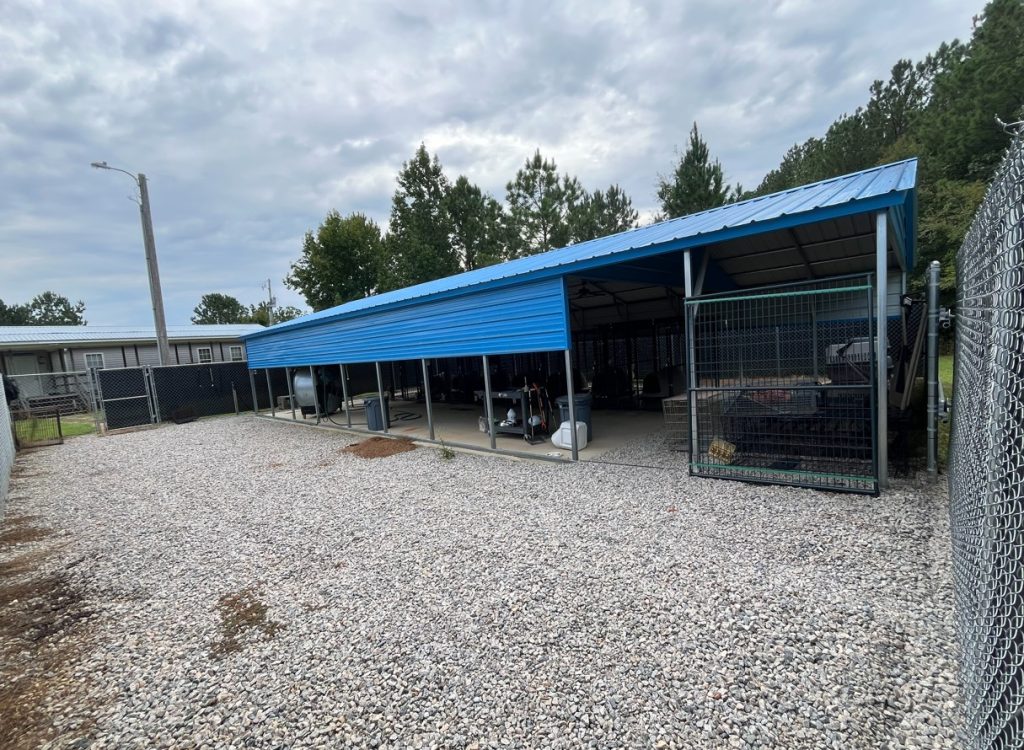 Animal Shelter
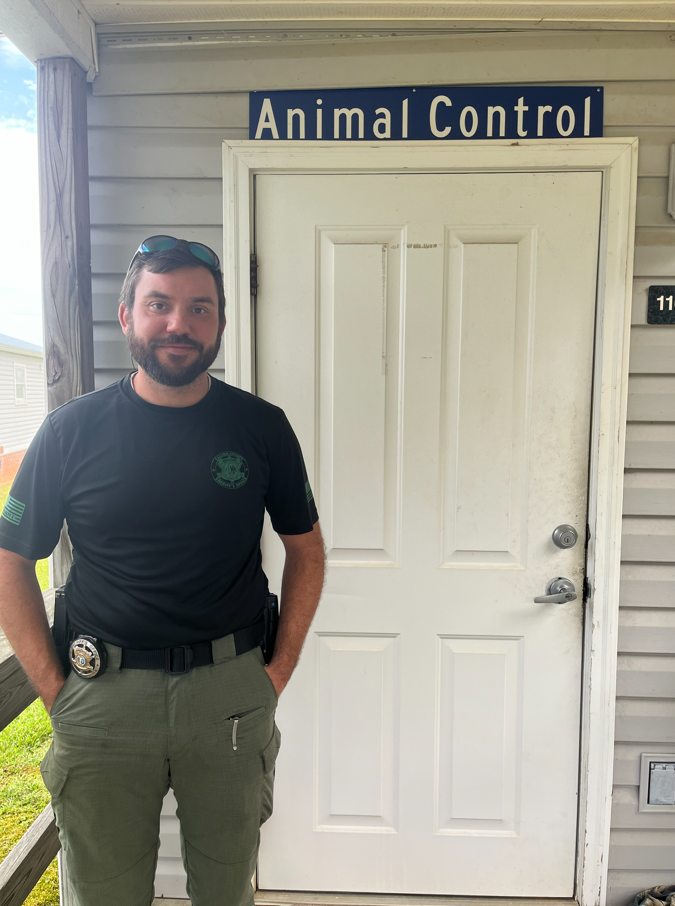 Animal Control Officer, Lee Shorter
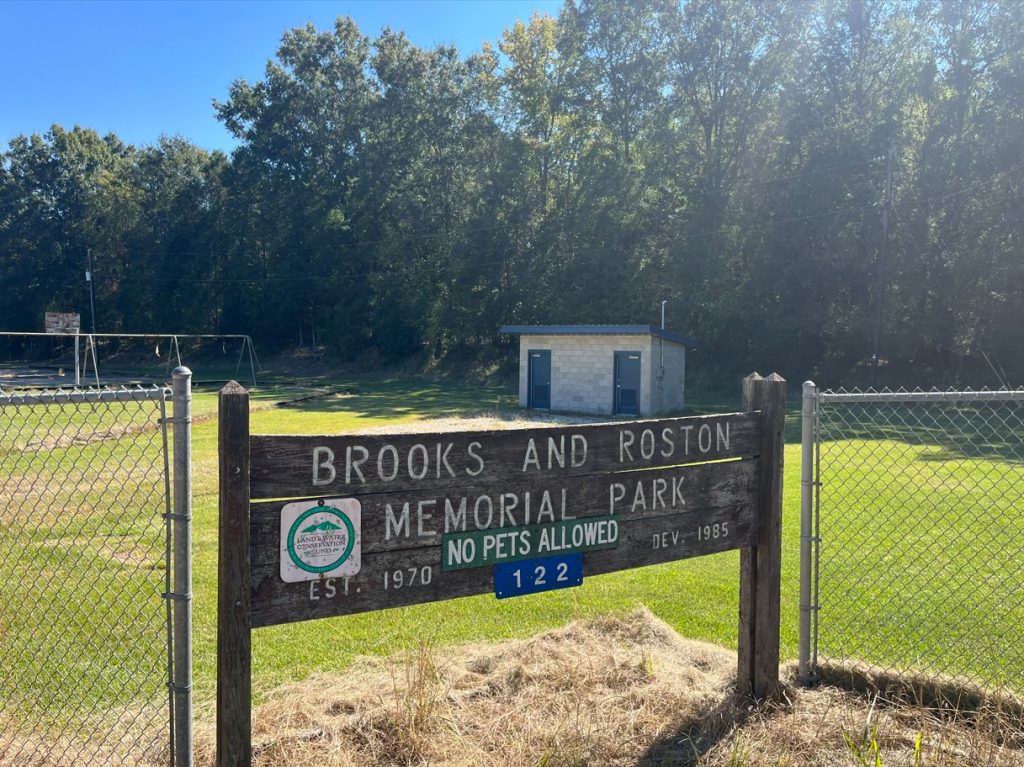 Brooks and Roston Memorial Park Restrooms
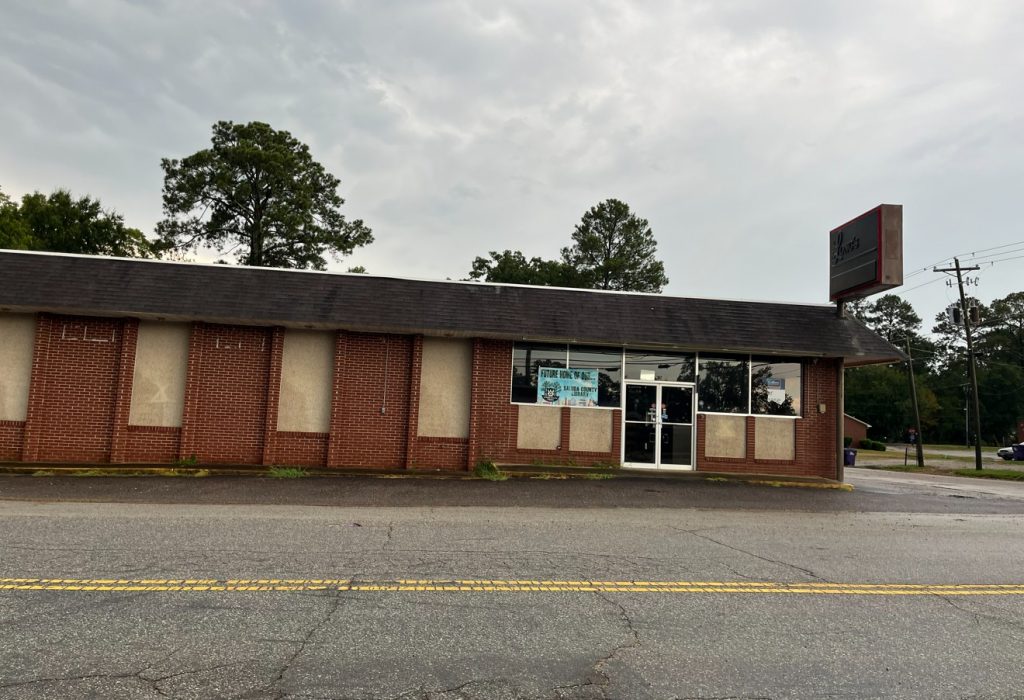 Old Long’s Drug Building – Future Library
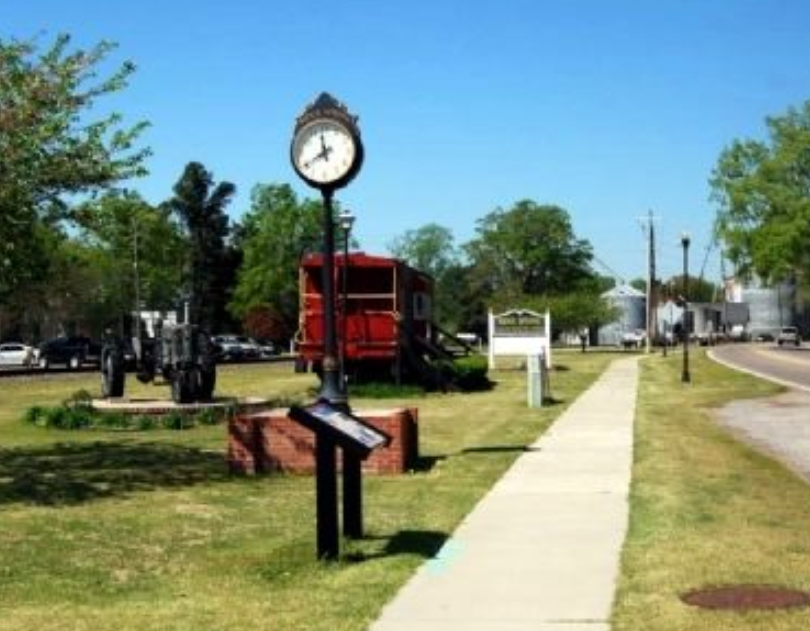 Ridge Spring
Why the First Program Struggled
The problems with the 2018 Penny Tax were not caused by our current Council or Council Chairman.
- It was our first attempt. Most first efforts come with lessons, and this one did too.
- Leadership changed twice in the middle. The Chairman who was in office when the tax passed left suddenly in the middle of his term. Leadership was fragmented for several months until Jerry Strawbridge won the special election to fill the seat. After Chairman Strawbridge’s death, the Council had another mid-term change of Chairman to Jim Moore.
- The order of projects hurt us. The committee chose to put the most expensive project, the detention center, last. Looking back, that was a big mistake, though no one meant it to be.
- Costs went through the roof. The first $10 million estimate for the detention center was probably low from the start. Then construction costs rose sharply during and after Covid.
The current Council took the flak for higher costs, delays, and having to finish projects without enough money. It also did the hard work of getting those projects done.
A More Careful Second Plan
The 2026 CPST Commission, chaired by Ricky Bailey, did not just accept the project requests it was given. Members studied each request closely and found that most could be done for less money. They also left a cushion of about $1 million between the total project costs and expected revenue. That cushion protects against the kind of shortfall we saw last time.
The Commission was appointed the way state law requires:
- Appointed by Saluda County Council: Ricky Bailey, Kathy Rushton, and Dale Whittle (Brandy Cromley, alternate)
- Appointed by the Town of Saluda: Andy Turner and Richard Logan (Lee Ouzts, alternate)
- Chosen by the Town’s members, from another town in the county: Margret Nickerson (Ridge Spring/Ward area)
The following chart shows the fifteen projects that were submitted. Nine were approved, most for less than the amount requested. (compare the columns “Cost of Project Presented” and “Decision 4/7/26.”
The Safeguards Are Already in Place
Some residents have asked for 15 safeguards, including an outside project manager and new oversight committees. Watching how tax money is spent is a fair goal. But when you look closely, most of these protections already exist under state law, county policy, and normal construction and finance rules:
- Competitive bidding and choosing professionals: State purchasing laws already control how architects, engineers, and builders are hired. The county cannot ignore them.
- Conflicts of interest: State ethics laws already ban favoritism and misuse of public office.
- Spending only on approved projects: South Carolina law requires that CPST money be spent on the purposes voters approve. It cannot simply be moved to unrelated projects.
- Reporting and audits: The county has an annual financial audit. CPST funds must meet audit rules, and the SC Department of Revenue requires quarterly project reports.
- Inspections: Building codes, inspections, and professional oversight already protect projects during construction.
- Oversight: Watching county projects and spending is already County Council’s job.
Some of the proposals would also cost real money. An outside construction manager can cost up to 10% of a project’s budget, and it does not prevent problems. Richland County paid a group of three private firms about $30 million to manage its penny program. After enough problems, the county brought the work back in-house and saved about $4.1 million a year.
One idea stands out as useful: a public online dashboard that shows project progress. It would make information easier for citizens to find, and it is worth considering.
As conservative Republicans, we do not want to grow government or add regulations without a good reason. Adding layers of paid oversight on top of the oversight we already have would take money away from the projects themselves. That money belongs in the library, the roads, and the buildings our community needs, not in more bureaucracy.
Reasons for Confidence
There are good reasons to expect the second Penny Tax to be handled well:
- Steady leadership. After Tuesday’s election, we will likely have continuity under an experienced Chairman Moore who has strong management skills and who has made big gains in transparency.
- More openness. Council meetings now include a Public Comment period. The Chairman has committed to answering comments publicly whenever he can, and the new weekly podcast keeps residents informed.
- The Saluda Unplugged Podcast. This new weekly podcast will keep listeners abreast of the progress on the CPST progress.
- Personal investment. Ricky Bailey, who chaired the CPST Commission, is on the ballot for County Council District 3. If elected, he will have a personal reason to make sure these projects are done right.
- Proven staff. Heather Griffin, former county Purchasing Agent, now Clerk to Council, helped keep the 2018 projects within budget.
Our Part as Citizens
Good government also needs engaged citizens. If we stay watchful, attend meetings, and follow the podcast and reports, we can speak up quickly if we see a problem.
It is time to look ahead together. Let us respect the leaders we elect, expect good results, and hold them to it.
The Saluda County Republican Party urges you to vote YES on the 2026 Capital Project Sales Tax on Tuesday.