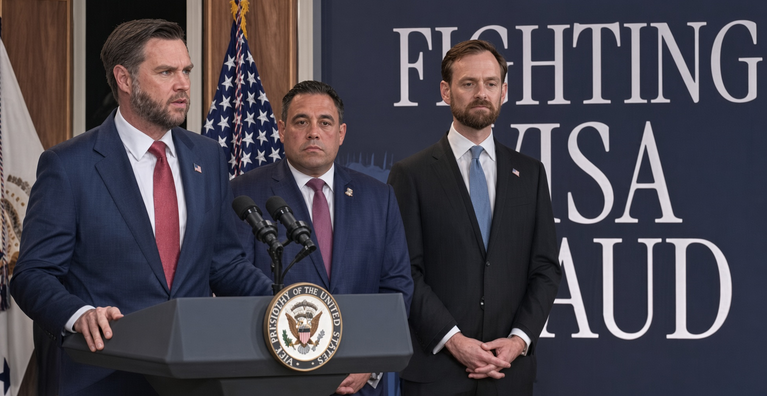
President Trump announced Friday that he is moving to make it easier for farmers and ranchers to process more of their own food—especially beef.

Agriculture Secretary Brooke Rollins says USDA will begin releasing the details Monday.
That could be very good news for Saluda County farmers and cattlemen.
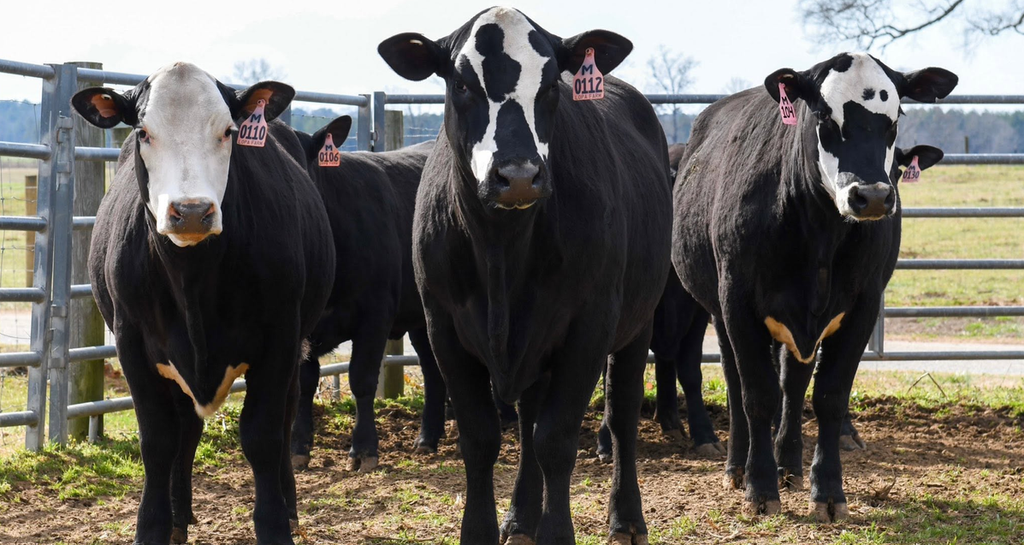
Our county still depends heavily on agriculture, including cattle, poultry, peaches, timber and family farms. Many of our cattlemen know the problem firsthand: raising a quality animal is one thing. Getting it processed and to the customer is another.
Nothing changes overnight
It is important to understand what Friday’s announcement does—and does not—mean.
It does not mean that a farmer can suddenly butcher a steer at home and sell steaks or hamburger to the public.
Farmers can already have livestock they raise processed for their own household use, and customers can have their own animals custom-processed for personal consumption. That meat is marked “NOT FOR SALE.”
Meat sold commercially to neighbors, restaurants or stores generally must still come from a state- or federally inspected facility. South Carolina’s inspection program allows inspected meat to be sold within the state, while interstate sales generally require federal inspection or an approved interstate program.
Those rules have not changed as of Friday.
What has changed is the direction of the administration’s policy.
What happens Monday matters
Secretary Rollins says USDA will announce steps to reduce unnecessary regulations, expand opportunities for sales across state lines, provide support for small processors, and address the concentration of the meat-processing industry.
For Saluda County, the important questions are straightforward:
- Will small processing plants be able to expand more easily?
- Will farmers have more places to get cattle slaughtered and processed?
- Will South Carolina producers have an easier path to sell beef in neighboring states?
- Will federal assistance help small, independent processors compete?
Those are the changes that could make a real difference.
A cattleman who can raise a good animal but cannot get a processing date for months doesn’t have a meaningful local beef market.
Why this matters
A handful of large companies dominate America’s beef-processing industry. That concentration has left many independent cattlemen with too few buyers and too little processing capacity.
More local processing could give farmers another option.
It could mean more opportunities for direct sales, local beef, farm-to-family purchases and small businesses—and more of the value of a locally raised animal staying in the local economy.
It would not eliminate the need for food-safety standards, and it would not turn every farm into a packing plant. Processing cattle safely requires skill, equipment and appropriate oversight.
But there is a big difference between reasonable safety requirements and unnecessary barriers that make it harder for small producers to compete. and that is where the Trump administration intends to help.
What Saluda producers should do now
Don’t change how you sell meat based on a social-media post. Continue following current state and federal inspection requirements.
But pay attention Monday.
Watch USDA and the South Carolina Meat-Poultry Inspection Department for the details. And ask one simple question about every proposed change:
“Can I legally sell this meat—and to whom?”
President Trump says farmers and ranchers are a priority, and Secretary Rollins says these changes should move quickly.
For Saluda County, the real test will be simple:
Can a local cattleman get his animal processed, packaged and legally sold without being trapped by a system designed primarily for the biggest processors?
If this administration can make that easier while maintaining food safety, Saluda County farmers and cattlemen should welcome the change.