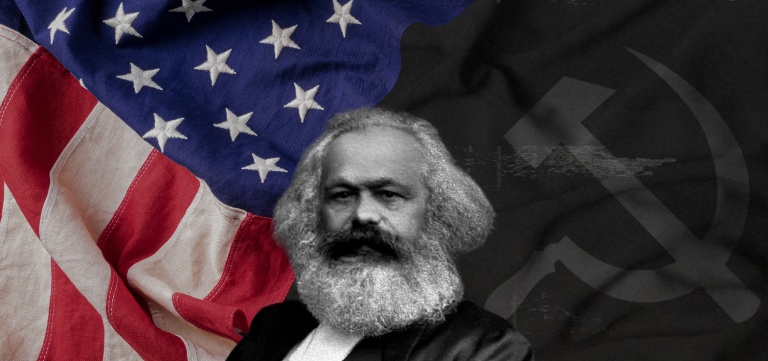
In true Socialism, the government owns the means of production. But Americans would never vote for that, and the closet socialists in the Democratic Party have always known it. Yet, step by step, a softer version of socialism has slipped into our politics—and millions of good, decent people have been persuaded to cheer it on without realizing what they’re really backing.
How did that happen?
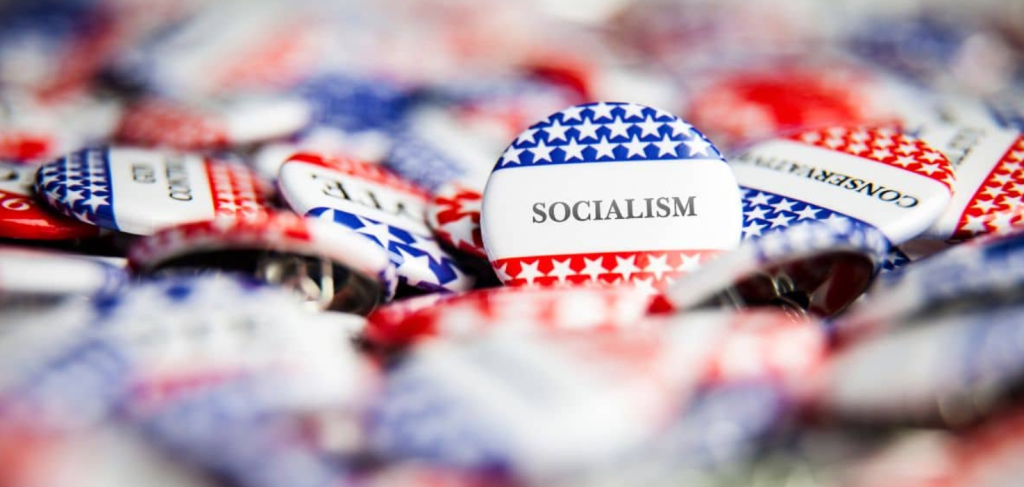
From “government owns everything” to “government decides who gets what”
Old socialism was simple and blunt: Government owns the big industries and politicians and planners run the economy.
Americans rejected that model because we believe in owning what we earn, starting businesses, and building a future for our families.
So the left changed strategy.
Instead of saying, “We will own the factories,” they say, “You can keep your business—but we will decide how much you keep, how much you pay, and who gets your money through taxes and programs.”
The titles stay private, but the power over outcomes shifts to Washington.
That’s sneaky socialism: control without formal ownership.
The message that wins over good people
The genius of this new approach is in the messaging. The Democratic Party rarely sells its agenda as “socialism.” It sells it as:
“Fairness” – asking the wealthy to “pay their fair share.”
“Compassion” – expanding programs “so no one is left behind.”
“Security” – promising government protection from every risk in life.
Most Americans are fair‑minded and compassionate. When they hear a proposal wrapped in those words, they naturally want to help. They don’t see the long‑term cost: more dependency, higher taxes on work and savings, and less control over their own lives.
Each individual policy—a new benefit here, a debt forgiveness there, another subsidy for this group—sounds limited and reasonable. But together, they build a massive system where politicians decide more and more of who gets what.
That’s how good people get drawn into supporting something they never would support if it were labeled honestly.
The slow drip that changes the country
Instead of one big revolution, sneaky socialism works like a slow drip:
- A tax hike “just on the rich.”
- A new entitlement “just to help struggling families.”
- A new regulation “just to protect workers or the environment.”
Taken alone, each change looks modest. Taken together over years, they:
- Make more people dependent on government instead of their own effort, family, church, or community
- Turn elections into bidding wars over government money instead of debates about freedom and responsibility
- Punish success and thrift, sending the message that building something of your own makes you a target, not a role model.
The shell of capitalism remains—businesses, paychecks, investments—but the spirit of a free, self‑reliant people is slowly replaced by a culture that waits on Washington.
Why recognizing “Sneaky Socialism” matters
The real danger today isn’t that Americans will suddenly vote for outright state ownership. It’s that millions of well‑meaning citizens will keep supporting policies that feel kind and generous, without seeing that those policies quietly transfer power from families and local communities to distant bureaucrats and political elites.
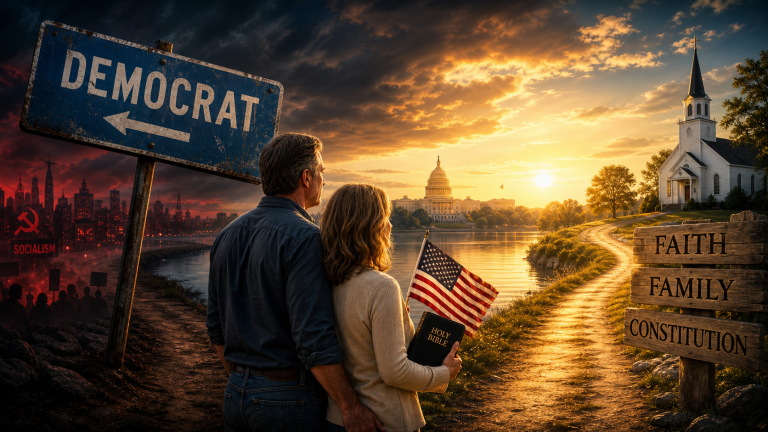
As Republicans and as responsible Americans, we must understand the dangers of socialism and be prepared to explain it in plain language whenever the opportunity arises – that every “free” benefit has a cost in higher taxes, weaker local institutions, and less personal freedom.
We must appeal to the best instincts of our neighbors: not to envy, not to resentment, but to responsibility, opportunity, and genuine charity that comes from people, not from politicians.
That’s how we turn good people away from sneaky socialism and back toward the American idea: free men and women, working hard, helping each other voluntarily, and keeping most of what they earn—not handing it over so distant officials can decide what’s “fair.”
And, finally, we must recognize one very hard truth: Whether it is the old-fashioned kind of hard socialism, or the more palatable, sneaky, soft socialism, it all leads toward communism in the end – usually to the point Authoritarianism. Because as we well know, those leaders who guide their people toward that Utopian communist society where everyone is equal, never seem able to give up their own power or comfort.