I blew it.
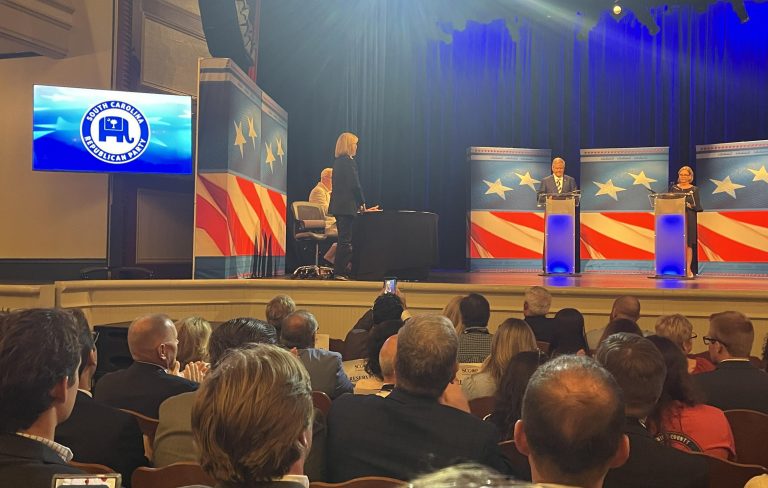
As a member of the South Carolina Republican Party Executive Committee, I cast my vote for the new candidate eligibility rules at our recent convention and in related deliberations without the full picture. So did the SCGOP as a body. The result has been an avoidable embarrassment: lawsuits, public questions over certifications in the special U.S. Senate primary, disputes over whether a runoff counts toward the “two of the last three statewide Republican primaries” requirement, and candidates like Danny Ford left off the ballot after filing in good faith.
The rules, adopted by nearly three-quarters of convention delegates and effective July 1, 2026, were meant to strengthen our nominating process and advance closed primaries. Instead, the rushed implementation has invited litigation and internal second-guessing at the worst possible moment.
The members of the SCGOP Executive Committee are committed volunteers. We spend hours of our own time working for the Republican cause because we believe deeply in what the party represents. We want to do the right thing. We are intelligent, thoughtful people who bring dedication and real expertise on a wide range of issues. We desire informed judgments that serve the Party and the conservative principles we share.
That commitment is not in doubt; yet, the process often fails us.
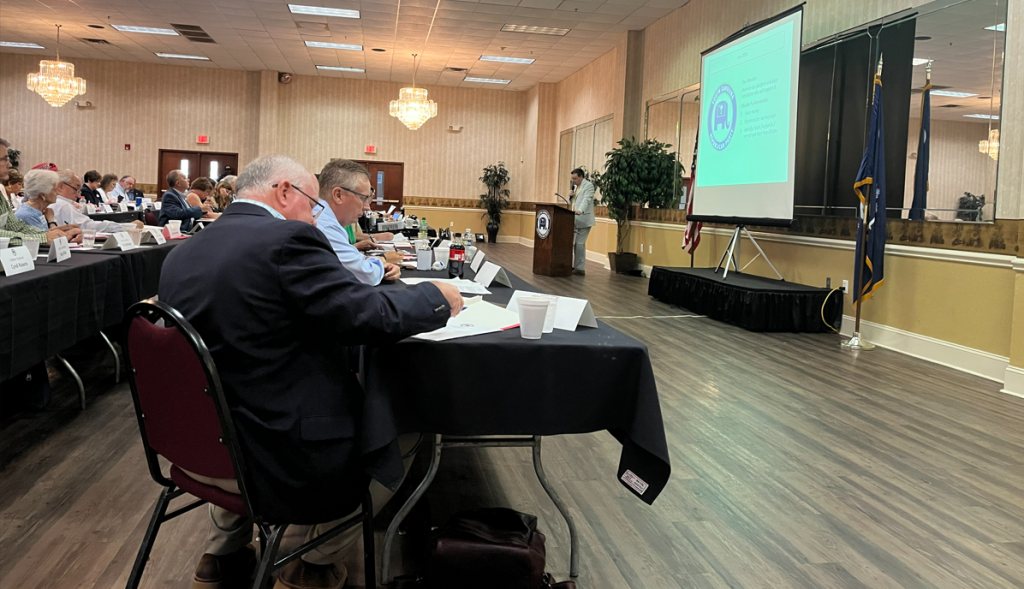
Drew McKissick has genuine strengths as our Chairman. He is currently the longest-serving state chairman in the United States, having led since 2017 through multiple successful cycles. His meetings, however, are chaotic and so fast-paced that they often prevent thoughtful consideration of important issues.
I am a first time County Chairman, and I know it is not easy running a meeting. But our discussions feel structured more to secure a required stamp of approval than to foster genuine deliberation in which members can hear, consider, and craft a sound result. We do not even have adequate speakers and microphones so that all members can clearly hear and be heard. The technical shortcomings compound the disorder.
Three times since joining the Executive Committee I have been required to cast important votes without sufficient information. In each case, I thought I had reliable information at the time, but later learned I did not. Greater access to pertinent details and the chance to ask questions would have produced a different—and better—judgment on my part.
The latest instance is our new rules change requiring candidates, at the time of filing, to have voted in at least two of the last three statewide Republican primaries (with limited exceptions and a waiver process). The core principle is sound: those who seek to carry the Republican banner should demonstrate real commitment to the principles of our party. But the abrupt effective date, combined with ambiguity over whether a primary and its runoff count as separate elections, created precisely the confusion now playing out in the special Senate primary following Senator Lindsey Graham’s death.
Party leaders applied a reasonable interpretation – that participation in a runoff demonstrates engagement in that year’s process, yet the lack of precise drafting and advance clarity has left supporters feeling the rule was adopted more hastily than carefully. Immediate implementation after years of legislative frustration sent a signal of seriousness, but it also produced the lawsuits and certification disputes that now distract from our larger fight for closed primaries and true party registration.
We must do better.
The Executive Committee can, and should, improve its processes so that the caliber of its members is matched by the quality of its collective judgment. To that end, I am studying the rules of the SCGOP as well as Roberts rules in order to come up with some suggestions that would:
- Provide adequate advance notice of all topics to be considered, especially legislation, so members may thoroughly research and reflect prior to meetings.
- Establish a process allowing members to sign up in advance to speak on important agenda matters, pro and con, to promote structured discussion and reduce chaos and discourtesy. This could be modeled on the orderly procedures of General Assembly hearings. (Yes, Roberts Rules allow this)
- Arrange for knowledgeable speakers, representing both sides of significant or controversial issues, when appropriate.
- Improve technical equipment and meeting arrangements so every member can clearly hear and be heard.
- Conduct meetings as true collaborative exercises dedicated to informed discussion, mutual learning, and the highest quality of collective judgment, rather than exercises aimed primarily at obtaining formal approval of any preferred outcome.
I doubt I can come up with a plan that will solve every problem, but I would like to see Executive Committee Members get the information, time, and orderly forum we need to make better decisions—and to avoid repeating the mistakes that have now embarrassed the Party we all serve.
The fight for closed primaries and strong Republican nominees is too important to be undermined by preventable process failures. We owe it to the Republican cause to deliberate as thoughtfully as we can.