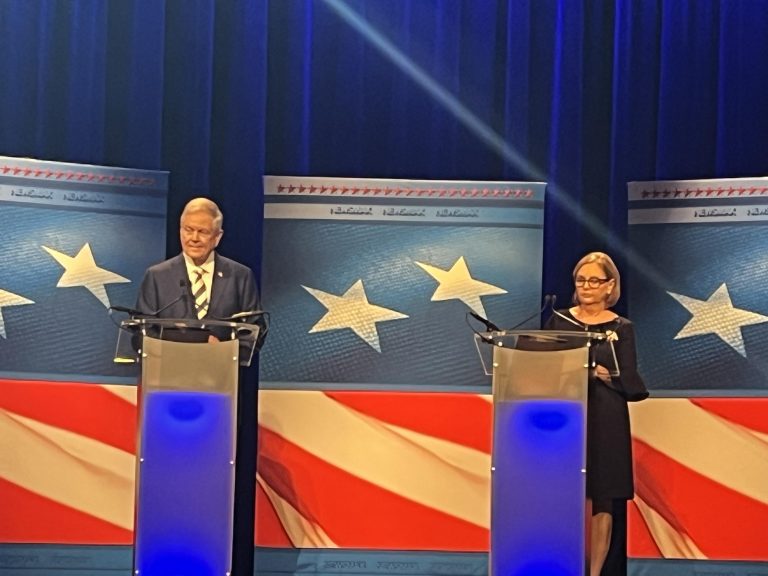
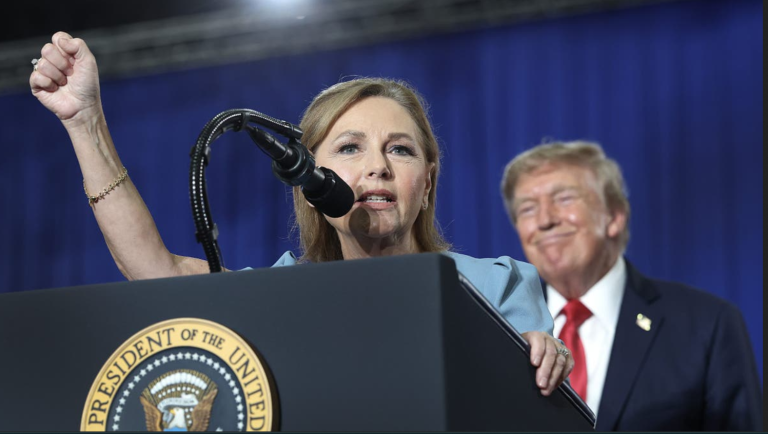
Pamela Evette had distinguished herself in the business word, but she had never before sought public office until Gov. Henry McMaster chose her as his running mate. It was also the first time in SC history that the Governor and Lt. Governor would be running together. Voters eagerly awaited McMaster’s choice.
The main reason Henry McMaster selected Pamela Evette lay in her business experience. She was a successful Upstate businesswoman and political newcomer who brought both financial support and conservative Upstate appeal to his ticket. According to those close to McMaster, she was also highly recommended by many McMaster friends and associates.
Key Factors Behind Evette’s Selection
Evette was president and CEO of a major payroll and HR company, Quality Business Solutions, generating nearly $1 billion in revenue. Her business credentials appealed to Republican voters and added a private-sector perspective to McMaster’s campaign.
Mutual friends recommended her to McMaster, who wanted a running mate with business experience and strong ties in the conservative Upstate, critical for the Republican base.
Evette had also contributed financially to McMaster’s campaign and, according to consensus among political insiders, was seen as helping deliver significant financial support for his victory over primary challenger John Warren.
Evette’s outsider status was appealing to voters, and her approach to state issues was through the prism of a business leader, also an attractive quality. These two attributes set her apart from career politicians, and positioned her as a “Trump-style” candidate in line with the populist direction of the GOP in 2018.
Additional Context
While McMaster did not derive extensive political value from the selection of Evette, her Upstate ties and funding help were viewed as crucial in securing his nomination and electoral victory.
McMaster’s decision was a strategic blend of business credibility, regional support, and campaign resources, backed by recommendations from trusted associates and driven by the realities of the Republican electoral landscape in South Carolina.