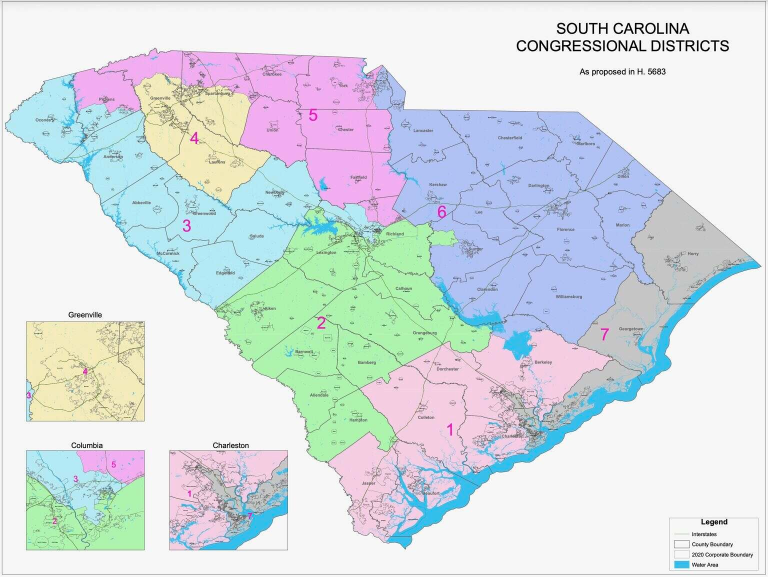
After the U.S. Supreme Court’s 2024 decision in Alexander v. South Carolina State Conference of the NAACP, everyone in Columbia knew our congressional map was under constitutional fire and had to be resolved. That ruling did not sneak up on anyone. The Senate had enough time to act, fix the map, and give voters a fair, lawful district plan before this election cycle.
They chose not to.
Instead of moving quickly and transparently, Senate leadership slow‑walked the process. Hearings could have been held sooner. Debate could have started earlier. A map could have been adopted well before early voting. But day after day they delayed, letting the clock run down.
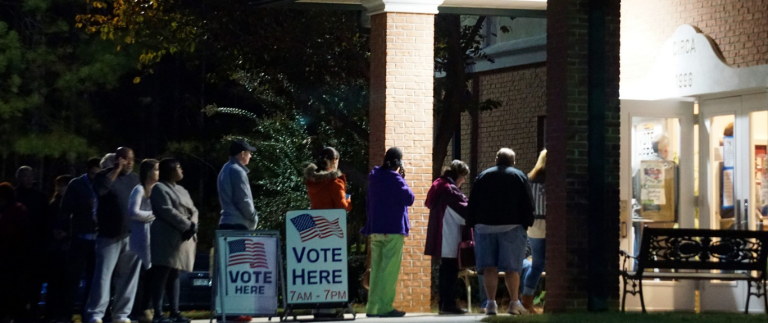
Then, right on cue, came the excuse: “Early voting has already started. It’s too late now.”
At least one Republican senator even admitted on the floor that once early voting started, he would no longer support fixing the map. In other words, the delay they created became the justification for doing nothing.
That is not conservative governance. That is calculated avoidance.
Republican voters see it clearly. This “too late” crisis was not an accident; it was engineered. By dragging their feet, senators avoided taking a tough, recorded vote on a map tied up in constitutional questions. They protected themselves instead of protecting voters. They hid behind the calendar instead of standing on principle.
And this pattern is not limited to redistricting.
Recently we’ve watched the same kind of maneuvering on judicial reform. When it came time to take serious, public action on how judges are chosen and who really holds power in that process, the Senate reached for its favorite tools: delay, water down, and bury. Instead of robust, open debate that puts citizens first, we got more procedure, more backroom maneuvering, and more excuses.
Different issue, same playbook.
Here’s what South Carolina Republican voters know:
- Delaying a vote is still a decision.
- Hiding behind “process” is not leadership.
- Blaming timing or early voting is a smokescreen, not a defense.
We believe in the rule of law. When a court ruling puts our map under constitutional scrutiny, the proper response is to act promptly and openly—not to stall until compliance is politically inconvenient. When our judiciary needs reform, the answer is to confront it head‑on, not bury it in committee or run out the clock.
Grassroots Republicans, county parties, and engaged voters are paying attention. We follow the timelines. We watch the floor debate. We remember who chose delay over action.
So let’s say it plainly: the Senate had the time to fix the map. They had the opportunity to advance real judicial reform. They did neither. They are not victims of the calendar—they are authors of the delay.
And we voters call bullshit.1
- I apologize for using profanity, but there is just not a better word. ↩︎