This November, Saluda County voters will decide whether to renew the Capital Project Sales Tax—more commonly known as the “Penny Tax.”
This will not be an additional tax, but a replacement of the previous one when it expires. Between now and November
The choice is straightforward: continue funding major new capital projects for public buildings, recreation facilities, and other essential infrastructure, or shift more of those costs onto local property owners through higher property taxes.
The Penny Tax is a one-cent sales tax dedicated solely to voter-approved capital projects. It is not for day-to-day operations or routine maintenance. It is a practical way to pay for significant new projects the county could not otherwise afford without placing the full burden on homeowners and local businesses.
Why a Sales Tax Makes Sense
A sales tax is paid when people spend money. That means the cost is shared far more widely than property taxes alone. Permanent residents, temporary residents, visitors, and people simply traveling through all benefit from Saluda County services—ambulance response, law enforcement, emergency services, fire protection, and more. When anyone makes a taxable purchase here, they help pay for the infrastructure and services everyone enjoys.
This shared approach is fairer than asking local property owners to shoulder the entire load.
South Carolina’s Direction on Taxes
South Carolina is steadily reducing reliance on the individual income tax. In 2026 the state lowered its top rate from 6 percent to 5.21 percent and established a path for further cuts as revenue grows. The long-term goal is a system that taxes income less and depends more on spending-based revenues and economic growth. The Penny Tax aligns with that direction: it funds needed local improvements through a modest tax on purchases rather than increasing pressure on income or property taxes.
What the Penny Tax Delivers
Major capital improvements do not happen without dedicated funding. The Penny Tax allows voters to approve specific new projects—such as new or significantly upgraded public buildings and recreation facilities—and pay for them upfront. These are projects the county could not otherwise afford without raising property taxes or taking on substantial long-term debt.
Looking Ahead: Lessons Learned and Stronger Oversight
Between now and Election Day we will examine the first Penny Tax adopted in 2018—what it achieved and where mistakes and miscalculations occurred. I will also detail how the current renewal proposal benefits from a strong citizen committee that has worked deliberately to avoid those earlier pitfalls. Clear project lists, realistic cost estimates, and tighter accountability measures are already in place.
Your Chance to Learn More
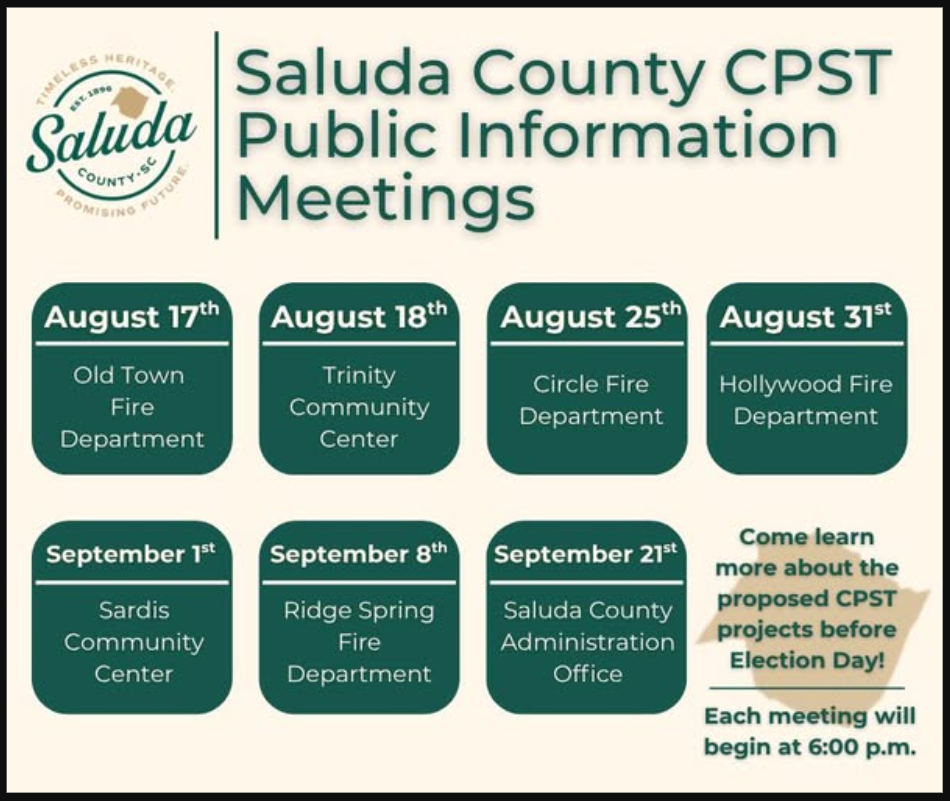
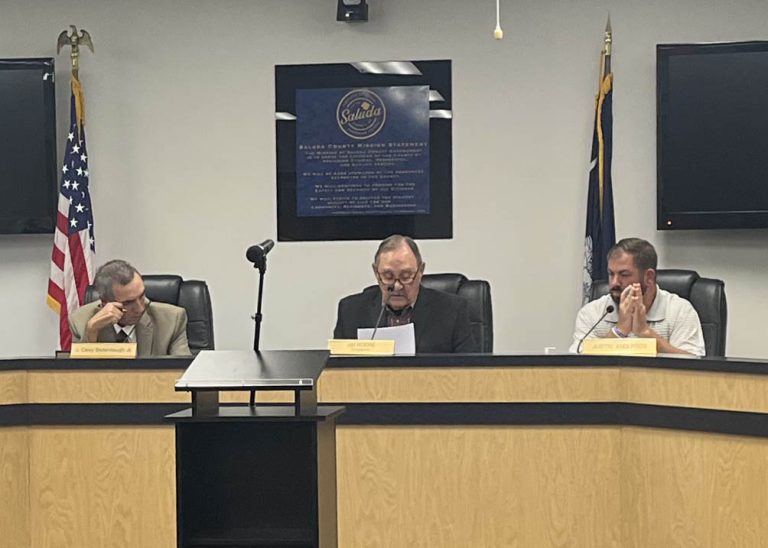
County-wide public meetings will be held in the coming weeks so citizens can hear the details firsthand and ask direct questions of the people overseeing the proposal. These meetings are the best opportunity to get accurate information.
I encourage you to read the upcoming articles in this series and attend the community meeting closest to you. Learn the facts, ask your questions, and form your own informed view on the Penny Tax.