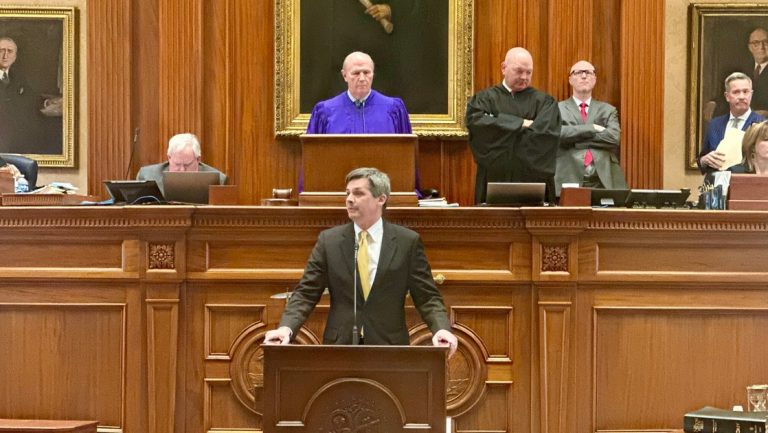
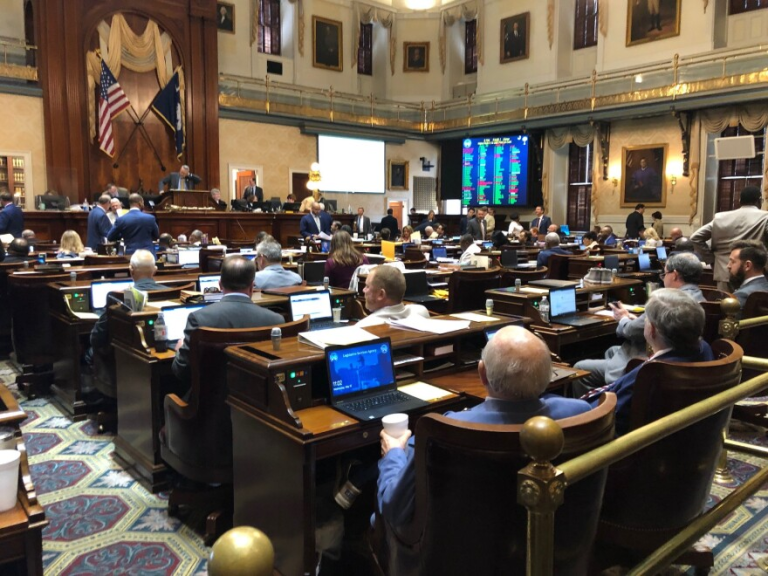
One of the most important features of our US Constitution is the system of checks and balances created by three co-equal branches of government. South Carolina drastically diverges from this model, however. We are known for having a very strong legislature and a very weak governor.
There are many ways an overly powerful legislature can negatively affect good governance, but front-and-center for many South Carolinians, at the moment, is Judicial Selection.
In a recent post on Facebook, SC Representative, Joe White, wrote:
Who Picks the Referees? Does it Matter?
If….you are a Carolina fan, and you were watching the Carolina-Clemson game, and IF you found out that Clemson coaches had hired and selected the referees, and IF you discovered that the Clemson coaches decided the pay for their hand chosen referees, and that they had the power to terminate those referees, would you expect the game to be called fairly?OF COURSE NOT!!
Yet that is exactly how our judicial system in South Carolina works!
There have been suspicions of cronyism and political patronage in the selection of South Carolina judges since the state’s earliest history, but a more recent history of efforts to reform the process can be traced back to the early 1990’s with Democrat Representative, Tee Ferguson, of Spartanburg. As the General Assembly has frequently done, they selected one of their own members to fill a Circuit Court Judgeship. The problem is, not only had Ferguson been taking bribes, a significant number of those legislators who voted to put him on the bench, had been taking bribes as well. Unfortunately for them, the FBI had been conducting a sting operation for years.
The ensuing scandal, called “Operation Lost Trust” is still considered the biggest case of government corruption in SC history.
Springing up from Lost Trust were several reforms, including the formation of the SC House and Senate Ethics Committees, as well as the establishment of the South Carolina Judicial Selection Commission (JMSC), which is still in place today; yet, through those, and other subsequent reforms over the years, the General Assembly has never relinquished its controlling power in the selection of Judges.
For instance, the last reform of the LMSC was passed in July 2024. The bill (S. 1046) was introduced to great fanfare, but as it proceeded through the process it was watered-down significantly – and to the benefit of legislative control, of course. While transparency and structural expansion were preserved, broader aspirations for non-legislative control, enhanced recusal requirements, and concrete anti-cronyism enforcement were diluted through amendments and negotiations, largely preserving legislative dominance over the judicial selection process.
The passage of S. 1046, was hailed as a great improvement, but a few months later another questionable episode in SC Judicial Selection occurred with the selection of Thomas J. Rode for a Circuit Court judgeship.
The focus of the controversy was not on Rode’s legal qualifications, but rather on his close professional and political connections to influential state Representative Robby Robbins. Rode and Robbins were partners at the same law firm. Robbins, a sitting Republican lawmaker from Summerville, actively lobbied for Rode’s appointment, raising significant concerns about conflicts of interest and the influence of lawyer-legislators in judicial nominations. Rode’s nomination was seen as emblematic of the “cozy” relationship between judges and the lawyer-legislators who select them, with critics arguing that the process favors personal connections over merit.
To our credit, however, the citizens of South Carolina, including a number of lawmakers and candidates for state office, are, again, pursuing Judicial reform.
On Saturday, SC Representative, Joe White, held a press conference in support of the comprehensive “DOGE SC” judicial reform bill. The bill aims to overhaul the way judges are selected in South Carolina by removing legislative dominance over the Judicial Merit Selection Commission (JMSC). It grants exclusive appointment power for the commission to the governor.
White is a listed sponsor of the House version of this reform effort (notably House Bill H.3526 in the 2025-2026 session), which also has the support of Speaker Murrell Smith, Jordan Pace, April Cromer, Gil Gatch, and several other reform-minded legislators.
The core features of the DOGE SC reform bill would:
- Transfer all JMSC appointment authority from the legislature to the governor,
- Permit only the governor’s appointees to vet and nominate judicial candidates, and
- Maintain legislative confirmation by a simple majority vote, rather than election by the General Assembly in joint session.
This legislation is considered the most ambitious judicial reform proposal currently pending and is publicly backed by White through press conferences, public statements, and coalition advocacy with other lawmakers and crime victim advocates.
Including this bill, there are four bills addressing judicial reform, selection, or procedures, that have been filed by the General Assembly for consideration during the 2025-2026 session : They are:
- H.3526 (Judicial Election Reform): Proposes amending the state constitution to appoint judges by the governor with advice and consent of the General Assembly, ending legislative election of judges and repealing requirements establishing the Judicial Merit Selection Commission.
- H.3033 (Lawyer-Legislator Recusal): Prohibits lawyer-legislators from participating in judicial selection when they have recently appeared before a candidate.
- H.3530 (Magistrates’ Reform Act): Requires magistrate candidates to be reviewed by the JMSC, increasing the civil and criminal jurisdiction of magistrates courts, and repeals conflicting provisions about selection committees.
- S.92 (Magistrate Holdover Reform): Ends the practice of “holdover” magistrates who retain office after their term ends, increasing executive accountability.
How does the Saluda County Republican Party plan to be involved in this effort?
First, we plan to stay as informed on this issue as possible, and keep our Saluda voters informed along the way. We will be using this website as well as Social Media to spread as much information as possible about it.
We have already been promoting DogeSC for months. We favor citizen-led initiatives like Doge SC as more representative of what average citizens want. Our last meeting featured a presentation by representatives of DogeSC, and they have promised to keep us updated on this legislation from their point of view.
At our January meeting, we will have the chance to ask our speaker, Pamela Evette, her ideas for Judicial Reform. Our County Executive Committee will likely discuss the different pending bills, and if a clear preference is determined, we will submit a resolution in support of the bill.
Our goal…
With Judicial reform, as well as every other issue of good governance, we want to exercise the maximum influence we can, and demonstrate to every Saluda citizen the very real ways their voices and efforts can make a real difference.